
Disney’s blockbuster sequel drew inspiration from Sami clothing, music, reindeer herding and relationships with nature. Crucially, Sami representatives helped shape the portrayal and secured a North Sami version of the film.
Few animated sequels have carried expectations quite like Frozen 2. When the film arrived in cinemas in November 2019, six years after the original became a global phenomenon, audiences turned out in extraordinary numbers.
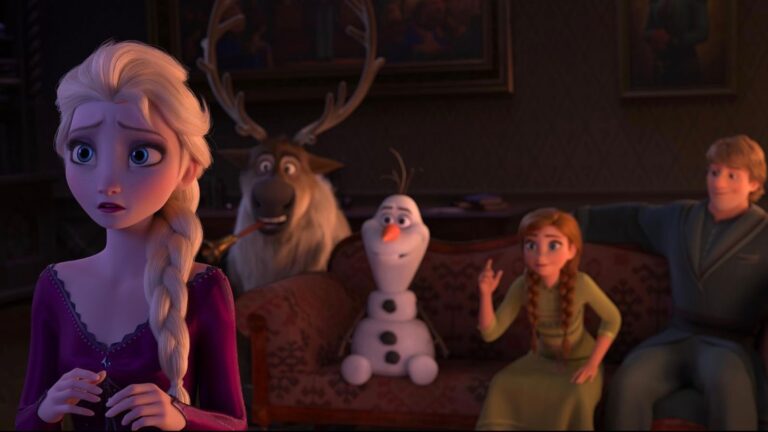
The sequel earned approximately $1.45 billion at the worldwide box office. For a time, Disney described it as the highest-grossing animated film ever released, surpassing the first Frozen.
Yet behind the songs, elemental spirits and spectacular autumn landscapes was a less familiar story: Disney’s unusually close collaboration with representatives of the Sami people.
Frozen 2 is not a Sami story and its Northuldra characters are fictional. However, their clothing, relationship with reindeer, connection to nature and some elements of their community were shaped by Sami inspiration and advice.
Who are the Sami?
The Sami are the Indigenous people of northern Europe. Their traditional homeland, known as Sapmi, stretches across the northern parts of Norway, Sweden and Finland and into Russia’s Kola Peninsula.
The Sami are not one homogeneous community. There are different Sami languages, regional traditions and ways of life. Reindeer herding is closely associated with Sami culture, but it represents only one part of a much broader modern society.
Sami influence could already be detected in the first Frozen. Kristoff’s clothing and his close relationship with reindeer drew comparisons with Sami culture, while the film opened with “Vuelie”, composed by South Sami musician Frode Fjellheim and inspired by joik, a traditional Sami vocal form.
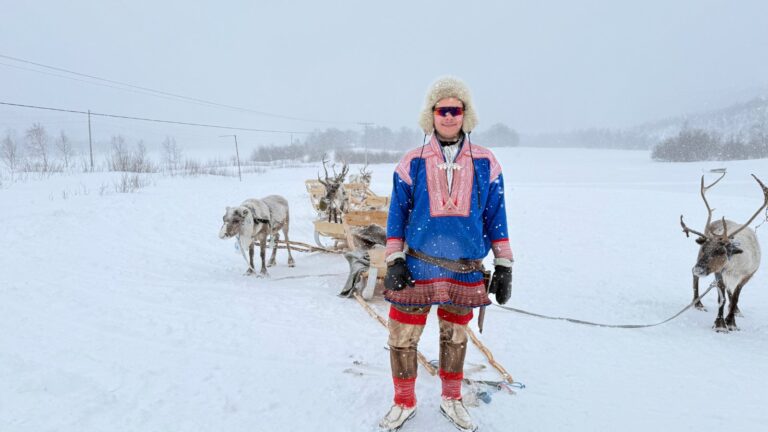
The difference with Frozen 2 was that consultation became formal.
The Northuldra and the enchanted forest
In Frozen 2, Elsa, Anna, Kristoff, Olaf and Sven leave Arendelle and travel towards an enchanted forest in search of answers about Elsa’s powers and their family’s past.
There they meet the Northuldra, a nomadic community living alongside reindeer and the natural spirits of the forest. Disney described the Northuldra characters as having a deep understanding of nature, with reindeer playing an important role in their lives.
Disney has always been clear that the Northuldra are a fantasy people rather than a direct representation of the Sami. Nevertheless, the similarities were deliberate.
The characters’ clothing, their relationship with the landscape and their reindeer-herding traditions were among the details discussed with Sami advisers.
The film’s wider story—about mistrust, broken promises and a powerful kingdom’s treatment of an Indigenous community—gave that representation added significance.
A formal agreement with Disney
Following concerns about the first film’s use of Sami-inspired material, the Sami Parliaments of Norway, Sweden and Finland and the Saami Council entered discussions with Walt Disney Animation Studios.
A six-person advisory group called Verddet worked with the filmmakers. Its members brought expertise from Sami film, literature, academia, culture and reindeer herding, helping Disney refine details without turning the Northuldra into a copy of any one Sami community.
The relationship was formalised in an agreement signed in 2019. Disney committed to producing a Sami-language version of the film, crediting the collaboration on screen and pursuing opportunities for knowledge exchange and contributions to Sami society.
The agreement also stated that material inspired by Sami culture should be handled sensitively, appropriately and respectfully. That made the collaboration more than a simple research trip or a few informal conversations.
‘Frozen 2’ in North Sami
One of the most visible outcomes was Jikŋon 2, the North Sami version of Frozen 2.
The dub meant that Sami children could watch one of the world’s biggest family films in their own language. For a small language community, that carried importance beyond entertainment. It placed North Sami alongside the many major languages routinely used for international cinema releases.
The project also supported the development of Sami dubbing skills and the wider audiovisual sector. The International Sami Film Institute was closely involved, while the agreement included opportunities for young Sami talent to learn from Disney Animation.
The collaboration helped demonstrate that major international studios could work with Indigenous institutions rather than simply borrowing cultural imagery.
Did Disney get everything right?
Frozen 2 remains a Disney fantasy, not a documentary about Sami history or contemporary life. Anyone hoping to learn about the Sami should not treat the Northuldra as a substitute for real people, cultures and experiences.
Even so, the process behind the film was notable. Sami representatives were able to influence how cultural inspiration was used, while the formal agreement recognised that consultation should bring tangible benefits to the community involved.
For most viewers, Frozen 2 is a story about Elsa discovering the source of her powers.
For those who look a little closer, it is also an example of how a global entertainment company tried to handle Indigenous inspiration with more care, and how Sami voices helped shape one of the most successful animated films ever made.